



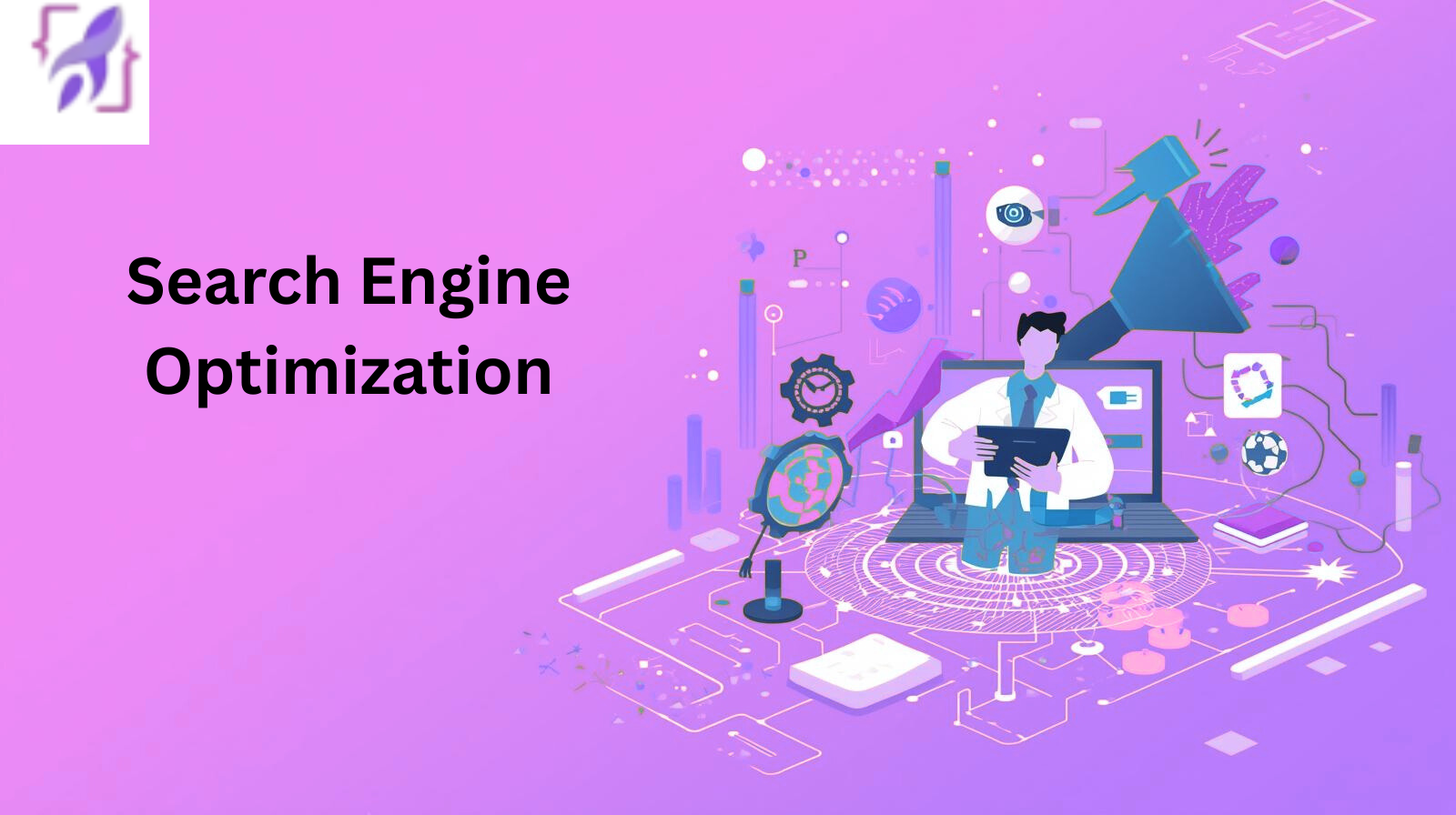
Search Engine Optimization: What Every Modern Business Needs to Know
In the digital era every business needs a solid online presence to grow. When a brand wants more customers, to build power, or to boost website traffic, a brand presence on the web directly influences its long-term success. That’s where search engine optimization plays an important role. Since people use search engines for almost every choice they make, a higher position can result in setting business companies up for a major benefit.
In this article you all learn the meaning, purpose, method, and advantage of search engine optimization in a detailed and complete manner. If you are a business owner. You are a business owner, marketer, or student, or you simply have an interest in your own website’s rank on Google. This guide will give you a complete understanding of the process from start to finish.
Understanding Search Engine Optimization
At its simplest, search engine optimization means advancing a website so it ranks better in search results. When people look for products, services, or answers online for a product service, which pages show first? Websites that rank high attract more clicks, visitors, attention, and conversion.
The aim is simple
- Help search engines better understand your website.
- Attract more visitors naturally over time.
- Improve its importance for specific user queries.
Instead of paying for ads, companies focus on starting visible naturally. This method drives stable growth and offers regular traffic even when there are no active campaigns.
Behind the Scenes of Search Engines
To see why some websites rank higher, you need to know how search engine optimization works. They focus on three key actions.
Crawling
Search engines send scripts to explore the events and the interests to identify and find new pages. Inner links to the website map and URL structure help make it easier for them to access and understand content.
Indexing
Once a page is discovered, it gets stored in a huge database known as the index. Pages that are poorly organized, duplicate, or limited may never be included.
Ranking
When a user looks for someone to perform a search algorithm to scan billions of pages and pick the ones that best match their query, the best.
These steps form the foundation of Search Engine Optimization because each method used in fine-tuning supports crawling, indexing and ranking
SEO Strategy Categories Explained
To improve a website’s performance, multiple methods of fine-tuning are applied. The three key areas are.
On-page Optimization
This deal with the parts of a website you can control. It makes sure your content is useful, simple to read, related, and structured so search engine optimization can understand it.
Key components include
Well-crafted content
Content needs to give users clear, detailed, and accurate answers to user questions.
Keywords placement
Key phrases are included naturally all over headings, paragraphs, and subtopics.
Website title and Page descriptions
These provide both search engines and users with a compact overview of the page content.
Headings and Subheadings (H1, H2, H3 )
Clear headings guide readers and search engines to understand the information on the page.
Improving Performance Optimization
Alt text, meaningful file names, and image compression make your site easier to use and faster to load.
Proper on-page optimization builds topical command and explicitly contributes to ranking improvements.
Off-Page Optimization
This covers activities done remotely to boost your website to build credibility and true
Incoming links
Getting links from a trusted site shows credibility. Links from high authority help improve your ranking markedly.
Social Media Activity
Social media engagement might not directly improve ranking on social media, but it can make your brand more visible.
Guest articles and collaborations
Working with other publishers expands your viewers and improves credibility.
Off-page methods help search engines understand a website image, making them an important part of SEO.
Technical Optimization
Making technical help search engines find, follow, and understand the site
Some major technical factors are
Fast loading Speed
If a page loads slowly, visitors leave faster, which raises bounce rates.
Mobile responsiveness
Since most users browse on smartphones, search engines give preference to sites that display well on mobile.
Secure website (HTTPS)
A secure site builds trust and support and better ranking ability.
Structured Data
Adding structured data helps search engines interpret your content, improving the opportunities of enhanced search results like rich snippets.
Technical optimization Make sure that the site framework supports broader optimization activities.
Why SEO Is important for Any Business
No matter the industry, they need to be visible online to attract customers. Here are the key benefits.
Sustainable growth at low cost
Paid ads stop starting traffic once the budget ends, but strong natural rankings deliver steady visibility with regular spending.
Build trust and authority
Websites that rank higher are seen as more trustworthy. Strong positions signal increasing talent and customer confidence.
Drives targeted visitors
Searchers looking for a definite product and service already know what they want. Optimization starts these motivated users on your side.
Makes your brand more visible
Showing up regularly in search results is powerful for your brand image and positions your business as a leader.
Support every digital marketing effort.
Powerful optimization boots the success of.
- Content and blog
- Email marketing methods
- Paid ad
- Social media performance
A strong website foundation improves every policy connected to it.
Main parts effective SEO
To achieve effective optimization. It’s important to understand the key component that makes it.
Keywords and Follow search intent
A strong SEO plan starts with knowing what users are looking for. Search intent follows into.
- Informational
- Navigational
- Commercial
- Transactional
Creating content that matches with user intent raises and improves ranking.
Making high-quality content
Content should be unique, informative, and valuable. Search engine optimization rewards pages that give meaningful value and fines low-quality or fake content.
Effective content key include
- Clear Classification
- Examples
- Image or graphics
- Data
- Well-mentioned structure
High-quality content is a strength of SEO and a top-ranking factor
User experience or Interaction Metrics
Search engines review how user interact your website
- Time on page
- Click-through rate
- Bounce rate
- Number of pages explored
A fluid and interactive user experience fosters extended browsing, showing the value of search engines.
Website layout and internal links
A well-shaped website allows both visitor and crawler to navigate differently and effectively. Important pages should be within reach in just a few clicks.
Inner linking distributes links’ authority across the page, strengthening the SEO power of your whole site.
Modern Practices Impacting SEO
As technology advances, SEO methods continue to grow. The following trends define today’s optimization practices.
Voice Search
More people use smartphones and virtual helpers, which has increased voice-based search. These queries are mainly conversational, so content should match the style.
AI in Search
AI helps search engines to understand intent and context. Well-structured, relevant content is critical.
Mobile-First Indexing
Search engines primarily measure the mobile version of a website for ranking purposes. Mobile usability directly affects visibility.
Long-form, expert-level content
Long, well-researched content that provides deep insight keeps users engaged and improves search engine optimization performance by answering multiple related queries.
How to Check if SEO is working
- Organic traffic
- Keyword position tracking
- Conversation rates
- Quality backlinks obtained
- Check domain authority
- Check page speed
- CRT form search result
By analyze these numbers you can see what performing and make growth opportunities
Common Mistakes to Avoid
Even a small mistake can hurt how well your site seems in search results. Common problems are.
- Using to many keywords
- Fake or Copied content
- Slow loading page
- Poor inner linking
- Not optimizing to mobile devices
Steering clear of these mistakes make sure a smoother path to better rankings
The Future of Online Visibility
As online competition continues to grow, making logical and well-planned optimization essential for long-term success. As AI, automation, and interactive content grow, businesses that adapt will continue gaining visibility and credibility.
The future focus is around
- User-centered content,
- Sharing right information,
- Fast adoption of cutting-edge advanced tools
Consistency is key. When a brand maintains a strong approach to search engine optimization, it stays relevant in an increasingly competitive landscape. This marks the eighth usage of the focused keyword. One more mention will complete the requirement.
Ending Note
Search engines have a powerful impact on how brands are found online. Companies that put search engine optimization first enjoy long-term advantages, such as improved trust, honesty, and more qualified visitors. With regular attention to valuable content and a smooth user experience, a solid technical setup, and daily updates, any website can build a solid presence in real search.